 TEL1: +385 95 827 52 01 | TEL2: +385 95 504 55 75 | TEL3: +385 95 511 26 82


Friction System Overhaul & Relining – Clutches, Brakes and Industrial Components
What Is Friction System Overhaul & When Does It Make Sense?
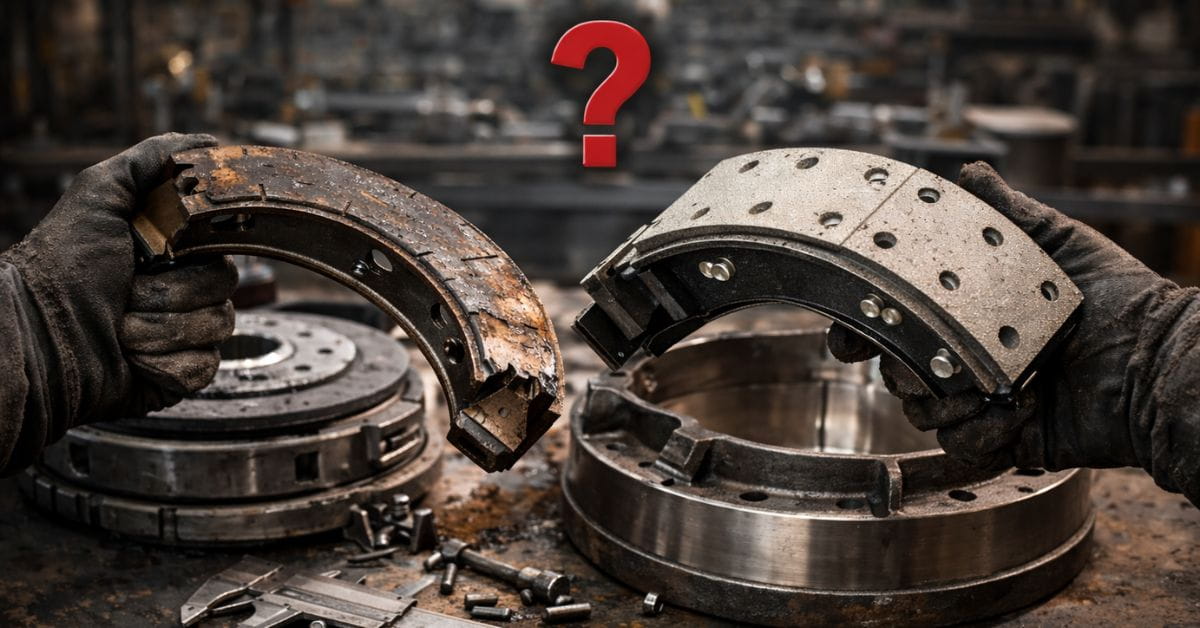
Most friction systems don’t fail overnight. They wear. They heat up. They lose grip gradually. In many real-world cases, the structural part of the assembly is still perfectly solid. What usually gives up first is the friction surface itself. The lining wears thin, overheats, hardens, or starts to glaze. Meanwhile, the steel core, hub, carrier, or brake shoe often remains mechanically sound.
An overhaul is straightforward in principle. You keep what is still within tolerance and structurally correct, and you replace the part that actually does the work — the friction material. Nothing more. There is no reason to discard components that still have years of service left in them.
This approach only makes sense when the structure is intact. No cracks. No distortion. No signs of fatigue or overstress. If the geometry hasn’t shifted and the base hasn’t been compromised, rebuilding the friction layer is not a shortcut — it’s a controlled technical decision.
In industrial environments, heavy-duty vehicles, cranes, marine systems, and older machinery, replacement parts are often expensive, delayed, or not truly matched to real operating conditions. A component may fit dimensionally on paper, but that does not guarantee correct behavior under real load and heat cycles.
In simple terms: if the foundation is strong and only the working surface is worn, overhaul is the logical move. You restore function properly — with the correct material, proper preparation, and installation that reflects how the system actually works in the field.
Quick Answers About Friction System Overhaul
What is a friction system overhaul?
It is the process of restoring a clutch, brake, or industrial friction assembly by keeping the structural core and replacing the worn friction lining. The goal is to bring the unit back to reliable working condition without replacing the entire assembly.
When does it make more sense to rebuild instead of replacing the whole unit?
When the structure is still straight and healthy and only the friction surface is worn. If the base is intact, replacing everything rarely adds value. Rebuilding becomes the smarter option — especially when new parts are costly, slow to source, or poorly matched to actual working conditions.
Is relining as reliable as installing a brand-new part?
It can be. What matters is not whether the component is new, but whether it is rebuilt correctly. Proper material selection, surface preparation, and accurate installation determine reliability — not the label on the box.
Clutch Overhaul & Relining – Passenger, Commercial and Heavy-Duty Applications
Clutch failure rarely happens all at once. It starts with slipping under load. Rough engagement. Heat buildup. That familiar burnt smell after repeated starts or towing. In many cases, the pressure plate and hub remain structurally fine. It’s the lining that has reached its limit.
Overhaul focuses on restoring performance without disturbing components that are still within specification. If springs, carrier, and geometry are correct, the worn lining is removed and replaced. Surfaces are cleaned, checked, and prepared properly before the new material is installed.
This is particularly relevant in commercial vehicles, agricultural machinery, and heavy-duty applications where torque demand is higher than standard catalog assumptions. A clutch that works under light factory conditions may struggle under repeated starts, trailer loads, or sustained torque cycles.
Relining allows the clutch to be matched to how it is actually used — not how it was originally designed decades ago. Done correctly, engagement remains consistent, friction behavior stays stable, and torque transfer remains predictable under load.
Quick Answers About Clutch Overhaul
When should a clutch be relined instead of replaced?
When the structural components are intact and only the friction material is worn. If geometry is correct and there is no fatigue damage, relining is a practical and technically sound option.
Can a relined clutch handle heavy-duty use?
Yes — provided the friction material is matched to the actual torque and duty cycle. Material choice makes the difference.
Brake Overhaul & Industrial Brake Relining Solutions
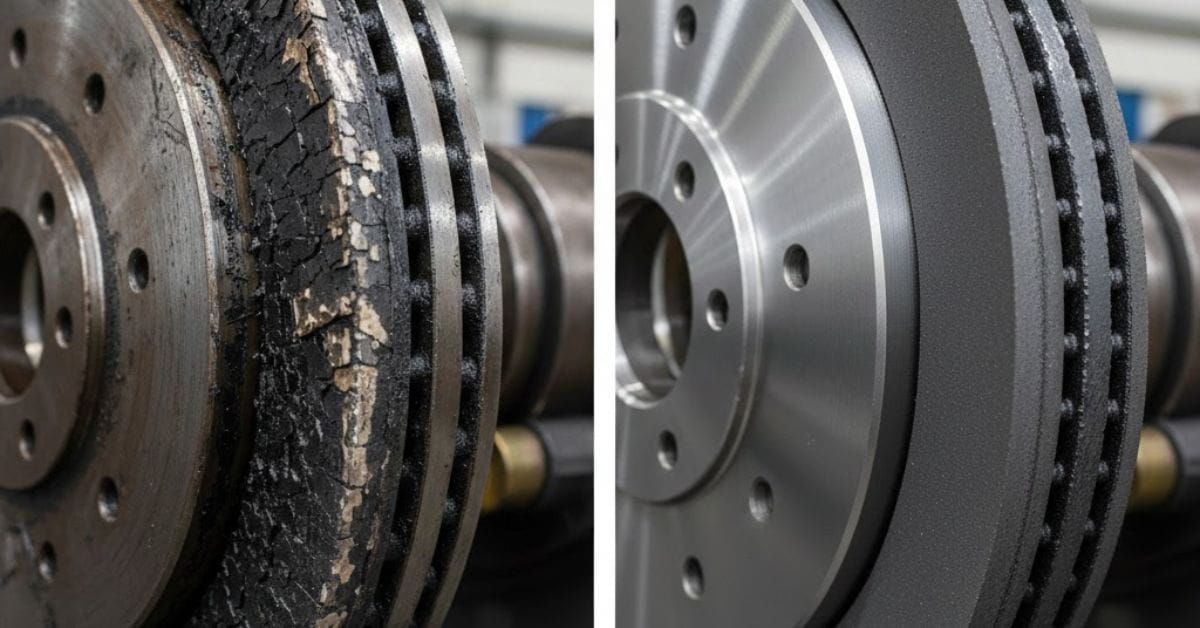
Brake systems usually give warnings before they fail. Longer stopping distance. Uneven contact marks. Slight vibration under load. Sometimes visible glazing on the lining surface. In industrial settings, those signs matter. A brake that behaves inconsistently under load is not just a maintenance issue — it’s a safety issue.
Brake overhaul restores holding and stopping performance without replacing structurally sound hardware. If the drum, disc carrier, or brake shoe is within tolerance, the worn lining is removed and replaced with a material suited to real working conditions.
Industrial brake relining is common in drum systems, band brakes, large disc assemblies, and crane applications. These components operate under repeated cycles and elevated temperatures. Heat stability and friction consistency are critical. Sudden fade under load is not acceptable.
We’ve seen cases where brakes were replaced multiple times before the actual problem was identified — incorrect lining for the duty cycle. Once the material was properly matched, the issue disappeared.
Correct preparation, proper bonding or riveting, and accurate fit determine the final result. When done right, rebuilt brakes provide stable, repeatable performance under demanding industrial conditions.
Quick Answers About Brake Overhaul
Can industrial brakes be safely relined?
Yes, if the structural base is undamaged and within tolerance. Correct material selection and proper installation are essential.
Is brake relining suitable for heavy-duty applications?
Yes. Heavy-duty systems rely on correct friction stability. When properly matched, relining performs reliably under demanding load cycles.
Industrial Friction Components – Couplings, Torque Limiters and Custom Assemblies
Industrial friction systems operate under constant load. Higher torque. Longer cycles. Less margin for error. These are not comfort systems — they control motion and protect equipment.
Couplings, torque limiters, braking units, and safety interfaces depend on controlled friction behavior. Over time, the friction surface wears or hardens, even though the structural housing remains intact.
In these cases, overhaul means restoring friction performance without disturbing alignment or mechanical fit. If geometry is preserved and the carrier is undamaged, the lining can be replaced with material suited to the real load profile.
Torque limiters are a good example. Too much grip and they won’t release under overload. Too little and they slip too early. That balance cannot be guessed. It must be matched to operating data.
In practice, many industrial machines have been modified over time — upgraded motors, different duty cycles, harsher environments. Standard replacement parts do not always reflect those changes. Relining allows friction behavior to be adjusted without redesigning the entire assembly.
Quick Answers About Industrial Friction Components
Can industrial couplings and torque limiters be relined?
Yes, as long as structural integrity is preserved. Relining restores controlled friction behavior while maintaining mechanical compatibility.
Is overhaul suitable for custom industrial applications?
Often yes. Especially when off-the-shelf parts no longer reflect real operating loads.
Friction Material Selection – Matching the Lining to Real Operating Conditions
Selecting friction material is not guesswork. It starts with understanding heat, load, and frequency of operation. Those three factors define most friction behavior.
A lining that performs well under light duty may fade under sustained load. Another may grip aggressively when cold but lose stability after repeated heat cycles. Real-world conditions expose those differences quickly.
Material selection considers temperature resistance, coefficient stability, wear rate, and environmental exposure. Dust, moisture, oil contamination, and salt can all affect performance.
Installation method matters as well. Bonded linings provide full surface contact. Riveted designs may be chosen where serviceability or specific load distribution is required. The decision depends on design and operating stress.
When friction material matches actual operating conditions, the system behaves consistently. Day one. Day one hundred. Under load and under heat.
Quick Answers About Friction Materials
Why is friction material selection important?
Because friction behavior changes with heat and load. Incorrect material leads to slip, fade, uneven wear, or unstable engagement.
What determines the correct lining?
Operating temperature range, torque load, duty cycle frequency, and environmental exposure.
Why Proper Overhaul Extends Service Life and Reduces Downtime
Downtime costs more than components. A stopped production line or idle crane affects schedules immediately.
Retaining original geometry reduces fitment risks. Replacing entire assemblies can introduce small dimensional differences that affect load response. Keeping the base structure avoids that variable.
Machinery evolves over time. Loads increase. Conditions change. A correctly selected friction lining adapts performance to those realities instead of relying on generic specifications.
Not every component should be rebuilt. If the structure is cracked or distorted, replacement is the responsible option. But when the base is sound, overhaul extends service life without unnecessary cost.
Done correctly, friction system overhaul delivers consistent torque transfer, stable braking performance, and predictable engagement over time. Not a temporary fix. A controlled, long-term solution.
Conclusion
Friction system overhaul follows a simple principle: preserve what is structurally sound and renew what wears out.
Clutches, brakes, torque limiters, and industrial friction systems operate under real mechanical stress. Wear is normal. Structural failure is not always the case.
When geometry is intact and evaluation is done properly, relining restores performance without unnecessary replacement. The result is stable operation, reduced downtime, and extended service life — based on correct material choice and accurate installation.